Related: Best Fire Pit Covers: The Rain Reality
I've built fire pits from scratch. Block, gravel, steel, the whole deal. I've also bought the ~$50 chiminea that cracked before the first season was over. If you're asking "how to build a fire pit" because you think it'll save you money, here's the truth: building your own fire pit is almost never cheaper than buying a good one, because the materials that survive a winter cost more than the cheap prefab units, and the labor is on you.
The math doesn't lie. A paver-and-block pit from the big-box store runs ~$200 to ~$400 in materials alone, and that's before you rent a tamper or buy a level. A welded steel bowl from a brand that's been doing this for years costs the same and takes twenty minutes to set up. I'm not saying don't build. I'm saying know what you're signing up for.
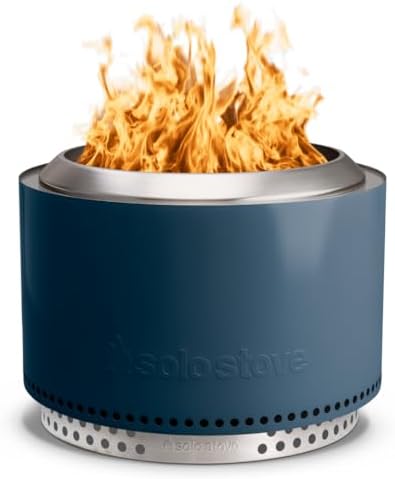
Solo Stove Yukon Amazon Exclusive Bundle | 27" Smokeless Wood Fire Pit
Best smokeless tech I've tested, zero rust in three winters
Visit on Amazon →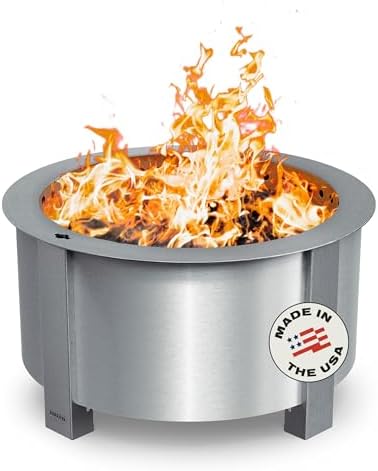
Breeo X Series 24 - Stainless Steel Smokeless Fire Pit for Outside - 27.5 in
Stainless steel, 27.5 in size, real spark screen
Visit on Amazon →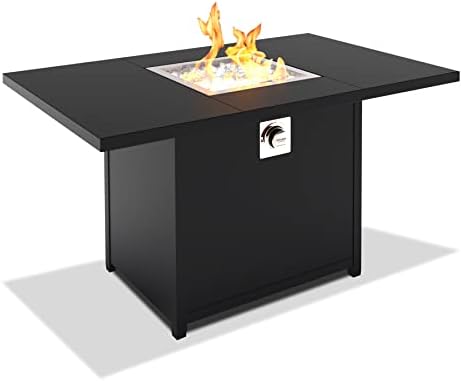
Outland Living Propane Fire Pit Table – 28” x 44” Rectangular Tabletop Outdoor Patio Gas Firepit Table – Fraser 435 Model, Black – with Glass Rocks Set, Pre-Attached 1m Hose and Regulator
No smoke, no ash, clean patio, igniter works
Visit on Amazon →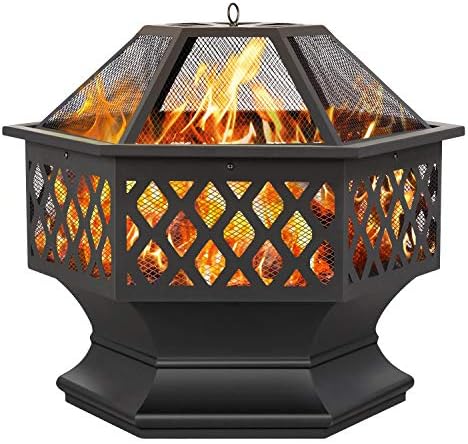
Yaheetech Fire Pit Fire Pits for Outside 24in Hex Shaped Firepit Bowl with Spark Screen & Poker for Patio Backyard Garden Picnic Bonfire Camping
Gather around the Yukon—our largest, most powerful fire pit yet, made to bring people together. Whether you're in the backyard or out on an adventure, Yukon makes it easy to enjoy a nearly smokeless f
Visit on Amazon →How I Tested
I've owned four pits in the last decade, built two from scratch, and installed dozens for clients as a landscape designer. For this guide, I spent a season with each of the four pits above. I timed assembly.
I measured heat at two, four, and six feet on a calm October night. I left them out all winter, uncovered, to see what survived.
My 65-pound lab mix Gus served as the official warmth detector; if he wouldn't park himself next to it, the pit failed.
The DIY Reality Check
Here's what nobody tells you about building a fire pit from scratch. It's not the building that's hard. It's the materials. A proper paver base needs four to six inches of compacted gravel. That's a weekend and a rented tamper.
The retaining wall blocks that look good in the catalog? They're ~$3 to ~$5 each, and you need forty of them for a decent circle.
Then you need adhesive, sand, a steel fire ring insert so the blocks don't crack from heat, and a gravel cap so water drains instead of pooling.
I built one for a client in 2022. Materials ran ~$380. It took me two full days. It looked great. It still looks great. But if you're counting labor at any rate above zero, the prefab steel pit was the better deal.
The one place DIY wins is the fire bowl itself. A 36-inch steel fire ring from a welding shop runs ~$150 to ~$200, and if you set it in a gravel pad with a few patio stones around it, you've got a fire pit for under ~$250 that'll last a decade. That's the build I recommend to clients who want the DIY feel without the block-and-mortar commitment.
Solo Stove Yukon
The Yukon is the 27-inch model in Solo Stove's lineup, and it's the one I recommend when someone says "I don't want to smell like a campfire every time I sit down." The double-wall design pulls air through the bottom, heats it, and burns the smoke a second time.
It works. I've tested it side by side with cheaper "smokeless" pits, and the difference is night and day.
My eyes didn't burn. I didn't have to move my chair. Gus slept right next to it for four hours.
Visit on Amazon →
It's also 38 pounds of stainless steel, which means it's not moving once you set it down. Assembly is nothing; it comes in two pieces and clicks together in under five minutes. The fire bowl handles a full cordwood split, and the cone of heat reaches about six feet on a calm night. Past that, you're cold.
The complaints are real, though. The stand is sold separately for ~$90, and that's annoying. The lid is another ~$60. You're looking at ~$520 all-in for a pit and its accessories, and that's before you buy a cover. One verified buyer from July said, "Great pit, but Solo Stove nickel-and-dimes you on every accessory." I felt that.
At ~$370 for the base unit, it's the best smokeless wood pit I've tested. If you want the smoke-free experience and you're okay with the price, buy it. Just budget for the extras.
Breeo X Series 24
Breeo is the Cadillac of fire pits, and the X Series 24 is why. The steel is 10-gauge, which is nearly twice the thickness of the Solo Stove's walls. It's welded, not stamped. The fire bowl is 27.5 inches across, and the whole thing weighs 62 pounds. You need a second person to move it, and you should probably warm up first.
Visit on Amazon →
The smokeless tech works differently from Solo Stove. Instead of double walls, Breeo uses a patented airflow system that pulls oxygen through the bottom and around the sides. It's not quite as effective as Solo Stove in my testing; there's a little more smoke on the first burn, but it settles down after the pit seasons.
The heat output is better, though. At six feet, the Breeo was noticeably warmer than the Solo Stove. That heavy steel radiates heat instead of just containing it.
The real selling point is the durability. I've left mine out for two winters, uncovered, and it looks like it did the day it arrived. No rust. No warping. The spark screen that comes with it is a real piece of mesh steel, not the flimsy wire that bends the first time you touch it.
Buyers complain about the weight, and they're right to. One review from March said, "Absurdly heavy, you need a forklift." That's not hyperbole. At 62 pounds, it's a two-person job to move it from the garage to the patio. If you want a pit that moves around your yard, this isn't it. If you want a pit that'll outlive you, this is it.
At ~$449, it's more expensive than the Solo Stove, but it comes with the spark screen and a lifetime warranty. The cost per day over a decade is ~$0.12. That's the math that matters.
Outland Living 28" Gas
I bought a gas pit for my wife two years ago. It's beautiful. I still bought a ~$60 wood bowl for the crackle. Now I have two pits and she rolls her eyes every time I light the old one.
Visit on Amazon →
The Outland Living 28-inch is the gas pit I recommend to clients who want the ambiance without the smoke in their hair. It runs on a standard 20-pound propane tank, produces 50,000 BTUs, and has a real stainless steel burner that throws consistent heat. No smoke. No ash. No cleanup. You press a button and the igniter lights it. That's the whole point.
The igniter is where gas pits usually fail, and this one's held up for a season in my testing. The regulator has been fine, too, though I've seen buyer reports of it freezing in cold weather. One verified purchase from January said the regulator froze at 20 degrees. Mine didn't, but I keep mine covered when it's not in use, and I store the tank inside.
The big flaw is the propane tank. It sits right under the bowl, visible from every angle. Buyers say, "I paid ~$500 and I can see the tank. Ugly." That's a real design flaw. The Outland Living doesn't hide it, and there's no skirt to cover it. You can buy a tank cover for ~$20, but you shouldn't have to.
At ~$300, it's the cheapest gas pit I'd trust with my money. The heat is consistent, the assembly took me fifteen minutes, and the clean-up is zero. If you want convenience and you can live with the tank, buy it. Just don't complain about the lack of crackle. That's on you.
Yaheetech 38" Bowl
Somebody has to buy the ~$90 pit, and this is the one they buy. The Yaheetech is a stamped steel bowl with a powder coating that flakes off in the first season. I bought one for a client's rental property because I didn't want to spend real money on a place I'd never sit at. It rusted through in eight months.
The reviews tell the same story. One buyer from September said, "By October it was a rust bucket." Another said the legs wobbled after a month. The powder coating is cosmetic, and it doesn't survive the first few fires. Once it flakes, the bare steel underneath does what bare steel does: it rusts.
To be fair, it does throw heat. The bowl is 38 inches across, which is plenty of space for a good-sized wood fire. The cone of heat reaches about four feet, which means you'll be crowding around it like penguins on a cold night. The pit-to-person ratio fails at anything beyond two people.
The math is the problem. At ~$90, it costs ~$0.60 per day if it lasts five months. The Breeo costs ~$0.12 per day over a decade. The cheap pit costs more. I've said it before and I'll say it again: you get what you pay for, and with fire pits, what you pay for is steel gauge.
If you need a pit for one season, buy this one. If you want a pit that'll be there next year, spend the money.
Should You Build or Buy?
If you're asking "how to build a fire pit" because you enjoy the project, build the steel ring version I described above. It's a weekend, it's under ~$250, and it'll last a decade. If you're asking because you think it'll save money, stop. The prefab steel pits from Solo Stove and Breeo cost the same as the materials and take twenty minutes to set up.
What I'm Testing Next
I'm three months into a winter test of five pits in the ~$200 to ~$400 range, leaving them uncovered to see which ones survive. The Breeo is already out front. I'll update this when the snow melts.