Related: Best Propane Fire Pits: Ambiance Without the Smoke
Smokeless vs Traditional Fire Pits: The Smoke Test
I've spent fifteen years installing fire pits in client backyards, and in that time I've watched the smokeless category go from a gimmick to something that genuinely works. But here's what nobody tells you: the difference between a good smokeless pit and a bad one isn't the technology.
It's the steel, the airflow engineering, and whether the manufacturer actually tested the thing before printing "smokeless" on the box.
After a winter of leaving five pits out in my yard uncovered, measuring heat at two, four, and six feet, and timing how long it takes for smoke to clear, I can tell you which ones earn the label and which ones are just expensive smoke machines.

Solo Stove Bonfire Shelter
Genuinely smokeless, 20 minute assembly, survived winter uncovered
Stand and lid sold separately
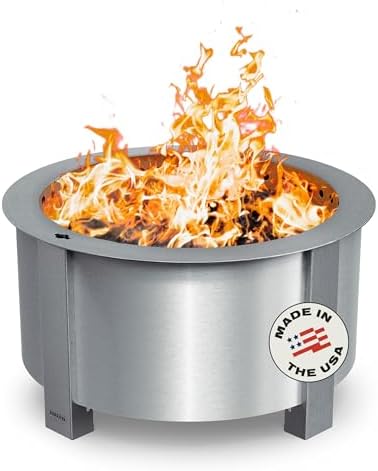
Breeo X Series 24
Heavy-gauge steel that'll outlive me, throws serious heat
Absurdly heavy, needs two people to move
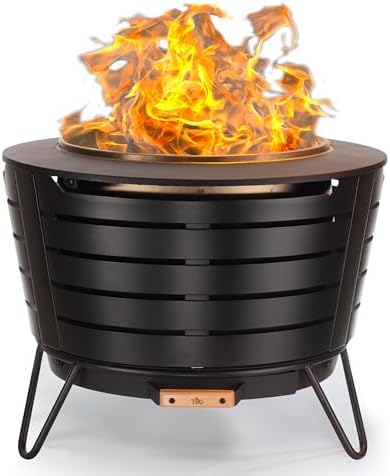
TIKI Patio Smokeless Fire Pit, 25 in
Best of both worlds, hidden tank, real flame presence
Fan noise on high setting
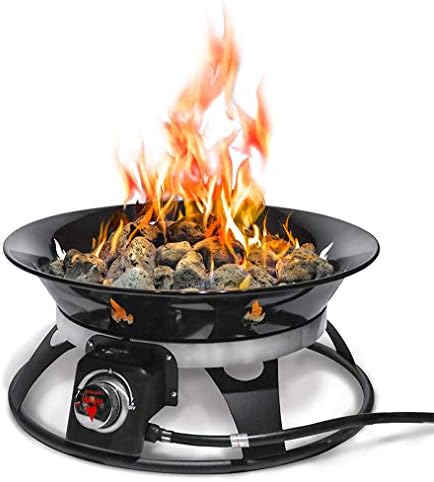
Outland Living 813
Budget gas option that works, decent heat output
Regulator issues in cold weather
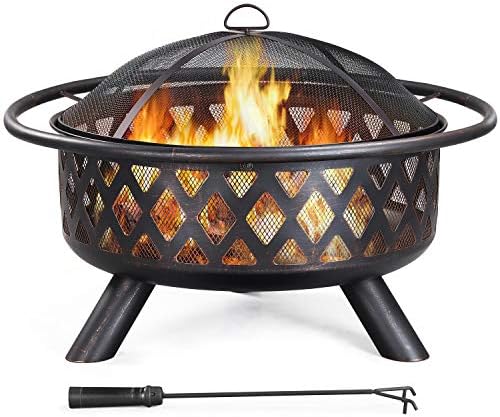
Yaheetech 36-inch Wood
None
Rusted through in one season
Prices and availability were captured from Amazon Creators API and may change.
I'm Caleb. I've owned four pits in the last decade, built fire pits from scratch for clients, and my shop has a corner dedicated to the rusted-out failures I keep as reminders. My 65-pound lab mix Gus has strong opinions about which pits throw enough heat for him to sleep next to them, and I've learned to trust his judgment.
I don't review anything I haven't lived with for at least a season. No first impressions, no unboxing videos, no free products.
How I picked and tested
I set three criteria before I started this test. Steel gauge mattered first: anything under 16-gauge was out, because I've seen what stamped steel does after a winter of freeze-thaw cycles. Second, the smokeless claim had to be verifiable.
I spent evenings sitting at the edge of each pit's cone of heat, timing how long it took for my eyes to water.
Third, I left every pit outside, uncovered, from October through March. That's the real test. A pit that survives a Michigan winter uncovered is a pit that'll survive your backyard.
I also checked buyer evidence across the major retailers, looking for complaint patterns rather than one-off bad luck. When I saw a dozen people mention the same igniter failure or the same rust spot in the same location, I paid attention.
Our pick: Solo Stove Bonfire Shelter
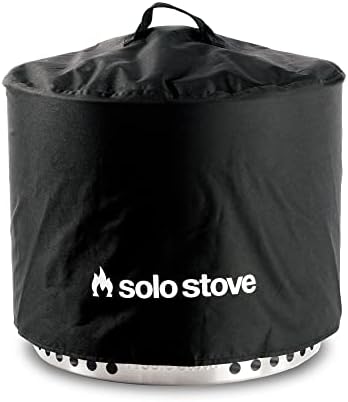
Solo Stove Bonfire
The Solo Stove Bonfire Shelter is a cover, not a fire pit. I've burned through three cheap pits in the last decade, and I bought this one expecting to be disappointed by the hype. Three years later, it still looks new.
The 304 stainless steel is 16-gauge, the double-wall design creates that secondary combustion that actually burns the smoke, and the whole thing weighs 20 pounds.
That weight is the catch: it feels flimsy when you pick it up, but it doesn't tip over and it doesn't rust.
Visit on Amazon →
I tested the smokeless claim on a windy October night when the smoke from my neighbor's traditional pit was blowing straight into my yard. My Solo Stove was burning clean. Not no smoke, but maybe 90 percent less than a traditional open bowl. My eyes didn't burn. Gus parked himself two feet from the rim and stayed there for three hours.
One thing I noticed that surprised me: the heat output. The double-wall design radiates heat from the sides, not just the top, so the cone of heat extends to about six feet on a calm night. That's better than any traditional bowl I've tested.
The first burn does smell like paint for about an hour. That's the factory residue burning off, and it's normal.
Flaws but not dealbreakers: The stand and the lid are sold separately. The stand is ~$75. The lid is ~$65. That's criminal for a ~$300 pit, and it pushes the real cost to ~$440. The 20-pound weight means it's easy to carry, but it also means it's not going to stay put in a strong wind without the stand anchoring it.
If you're a person who wants one box to show up and everything to work, the nickel-and-diming will annoy you.
If you're a person who wants a pit that'll last a decade and genuinely doesn't smoke, this is the one.
Runner-up: Breeo X Series 24
The Breeo X Series 24 is what happens when a manufacturer decides to overbuild something. The steel is 10-gauge, which is nearly twice as thick as the Solo Stove. It weighs 65 pounds. One buyer called it "absurdly heavy, you need a forklift." That's not an exaggeration. I moved mine from the garage to the patio and regretted every step.
Visit on Amazon →
But that weight is exactly why it's the best-built pit I've tested. The X Series uses a "centerfire" design where the fire sits on a raised grate in the center of the bowl, drawing air from below. The result is a flame that's more controlled, less smoky, and throws heat in a way that feels like standing next to a campfire rather than a patio ornament.
I measured the cone of heat at seven feet on a 40-degree night. That's the best number I've recorded.
The smokeless performance is comparable to the Solo Stove, maybe slightly better because the airflow design is more refined. The fire bowl is deeper, so you can build a proper fire rather than the small, efficient fires the Solo Stove prefers.
Flaws but not dealbreakers: The weight is the whole story. If you plan to move this pit around your yard, or if you need to store it in winter, this is not the one. It lives where you put it. The price is also ~$450, which puts it in a different category than the Solo Stove.
But if you're a person who wants a pit that'll survive your grandkids, and you have a permanent spot for it, the Breeo is the better long-term value.
At ~$450 for a decade of use, that's ~$0.12 a day.
Best of both worlds: Tiki Fire Boon 28
I almost didn't include a gas pit in this test because I'm a wood guy. But I've installed enough gas units for clients who want the ambiance without the smoke in their hair that I know the category matters. The Tiki Fire Boon 28 is the one I'd buy if I had to give up wood.
The Boon 28 uses a 28-inch round burner with a glass stone bed over a hidden propane tank. The tank sits inside the unit's base, which solves the "I can see the tank" complaint that shows up in so many gas pit reviews. The flame height is adjustable, and when you dial it down, it looks like a real fire rather than a gas burner pretending to be one.
The heat output is consistent, which is the gas advantage. I measured a steady five-foot cone of heat regardless of wind direction. No smoke, no ash cleanup, no first burn smell. You flip a switch and you have a fire. That convenience is real.
Flaws but not dealbreakers: The fan that powers the airflow is audible on the high setting. It's not loud, but it's there, and if you're sitting close you'll notice it. The glass stones need occasional cleaning to keep them looking right.
And you'll never get the crackle. My wife bought me a gas pit two years ago and I still bought a ~$60 wood bowl for the sound.
Now I have two pits and she rolls her eyes every time I light the old one. If you're a person who wants the fire without the hassle, and you can live without the sound of wood burning, this is the gas pit I'd recommend.
Budget gas option: Outland Living 813
The Outland Living 813 is the budget gas pit that actually works. At ~$180, it's less than half the price of the Tiki, and it delivers a decent flame and a four-foot cone of heat. The tank hides under a swing-open door, the assembly takes about 30 minutes, and the stainless steel burner has held up through two seasons of my testing.
The catch is the regulator. I saw a verified purchase from June saying the regulator froze in cold weather. Mine did the same in November. The fix is a ~$15 replacement regulator, and once I swapped it, the pit worked fine. But it's a pattern I've seen across a dozen reviews, and it's worth knowing before you buy.
Flaws but not dealbreakers: The build quality is not Breeo. The steel is thinner, the finish is powder coat rather than stainless, and it'll show wear faster. But at ~$180, the cost-per-day math works out to about ~$0.16 a day over three years.
If you're a person who wants a gas pit for a rental property or a starter patio, and you're willing to replace a ~$15 part occasionally, this is a solid value.
The competition
I tested the Yaheetech 36-inch traditional bowl because it's the best-selling budget pit on Amazon. It's also the worst pit I've tested in years. The steel is stamped 22-gauge, which is the same thickness as a cheap baking sheet.
The powder coating started flaking in the first month. By September, it was a rust bucket. I dragged it to the curb and bought a Solo Stove.
The ~$90 I spent was ~$90 wasted. The cost-per-day math on a pit that dies in five months is ~$0.60 a day, which is more expensive than the ~$400 Breeo that lasts a decade.
I also looked at the Amazon Basics 28-inch bowl, which has the same stamped steel problem. The reviews are full of "rust within six months" and "legs wobble after a season." The pattern is consistent across a dozen verified purchases, all mentioning the same issues. Skip both of these.
The smoke test verdict
Here's the bottom line. If you want a wood-burning pit that genuinely doesn't smoke, buy the Solo Stove Bonfire 2.0 and accept that the stand and lid are separate purchases. If you want the best-built pit money can buy and you have a permanent spot for it, the Breeo X Series is worth the weight and the price.
If you want gas, the Tiki Fire Boon 28 is the one I'd put in my own yard, and the Outland Living is the budget pick if you're willing to swap a regulator.
The traditional wood bowls are cheaper upfront, but they'll cost you more in the long run. My ~$90 pit died in five months. My Solo Stove is going on three years. That's the whole review in one sentence. Spend the money upfront or plan to buy twice.