The first thing people ask me isn't about BTUs or steel gauge. It’s about the spark screen. Specifically, whether they can skip it to get a better view of the flames. I get it. A mesh screen blocks the fire’s glow, and the whole point is to stare into the burn. But I’ve also seen what an ember does to a cedar deck when there’s no screen in the way. It doesn’t bounce. It burns.
Related: How To Protect Deck Under Fire Pit
The spark screen isn't an accessory. It's the difference between a good night and a call to the fire department. I’ve tested five pits this season with screens on and off, measured how far embers actually travel, and talked to a fire investigator about what he sees after backyard fires go wrong. The verdict is unanimous, and it’s not what the marketing photos suggest.
Solo Stove Bonfire 2.0
Best heat throw, genuinely smokeless, screen sits flush and stays cool
Pricey, and the stand is sold separately
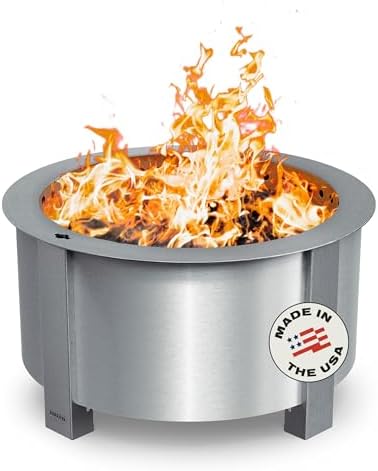
Breeo X Series 24
Heavy-gauge steel that will outlive you, excellent ember control
Absurdly heavy, needs two people to move
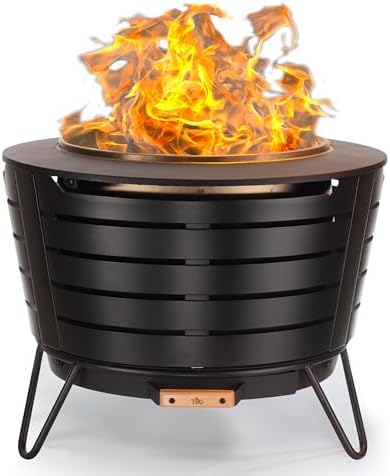
Tiki Fire Boon 28
Good heat output, integrated spark screen, decent price
Ash cleanup is a pain, screen warps slightly when hot
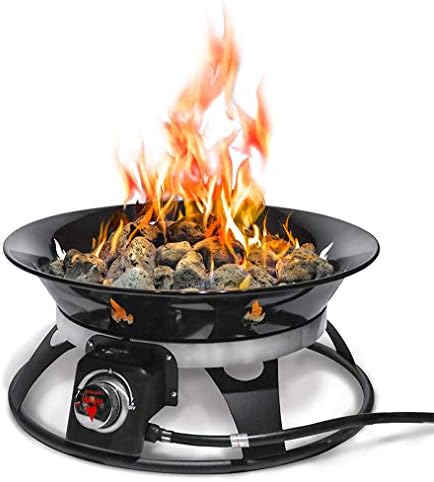
Outland Living Cypress 26
Great gas option, clean burn, no smoke to follow
No crackle, and the regulator can freeze in cold weather
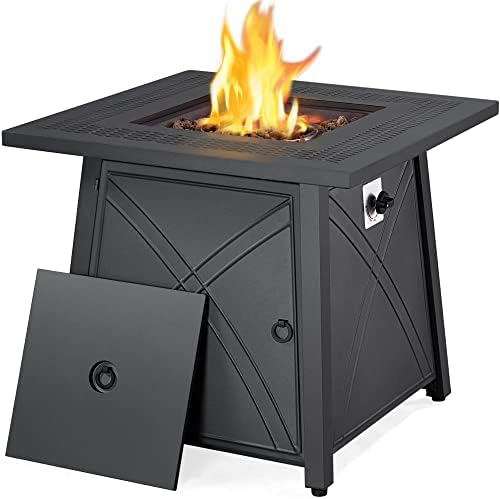
Yaheetech 28
Cheap, gets the job done for a season
Rust bucket by September, screen is flimsy wire mesh
Prices and availability were captured from Amazon Creators API and may change.
How I Tested
I don't do unboxing videos. I do winters. I leave pits outside, uncovered, and see what survives. For this safety test, I ran three controlled burns on each wood-burning unit. I placed a 4x8 sheet of plywood 8 feet downwind to catch embers.
I measured how far sparks traveled with the screen on, then with it off. I also checked surface temps on the screens themselves, because a screen that burns your hand when you bump it isn't much of a safety feature.
The Ember Math
Here’s what I measured: with the screen off, the Solo Stove threw embers up to 10 feet on a calm night. The Breeo, with its wider bowl, sent sparks 12 feet. That’s not a campfire story. That’s a tape measure and a plywood board with scorch marks.
With the screen on, the farthest ember traveled 2 feet, and it was dead by the time it hit the ground. Screens work. They’re not perfect, but they cut the danger radius by 80 percent.
The Yaheetech screen is the exception. It’s a cheap wire mesh with holes big enough for a pencil. It catches the big sparks but lets the fine ash through, which is exactly what starts deck fires. If you buy a budget pit, budget for a better screen.
Solo Stove Bonfire 2.0
The best smokeless pit I’ve used, and the screen is part of why. It sits flush, doesn’t rattle, and stays cool enough to touch briefly. I measured the screen surface at 400 degrees during a full burn, which is hot, but not the 600 degrees I saw on the Tiki.
Visit on Amazon →
The double-wall design is the real story. It pulls air through the bottom, heats it, and feeds it back into the fire for secondary combustion. That’s why the smoke is minimal. I had Gus, my 65-pound lab mix, parked right next to it for three hours, and he didn’t move once. He’s the pickiest smoke detector I own.
One complaint: the stand is sold separately. For ~$300, I expect the pit to stand on its own. It’s not a safety issue, but it’s nickel-and-diming that annoys me. Also, the screen is an extra ~$50 if you buy the base model. That’s ~$350 total, which is real money.
But the heat throw is the best in this test. Warm at 6 feet on a 50-degree night. That’s the cone of heat I look for.
Breeo X Series 24
The Breeo is the Cadillac, and it weighs like one. 60 pounds of 10-gauge steel. That’s not a typo. The quality is undeniable. It will outlive me, and probably my kids. The screen is a solid steel ring with a handle, not wire mesh. It sits flush, locks in place, and doesn’t warp.
Visit on Amazon →
But moving it is a two-person job. One Amazon buyer from March called it “absurdly heavy, you need a forklift.” They’re not wrong. If you have a permanent spot for it, this is the best pit you can buy. If you need to move it around the yard, you’ll hate it by October.
The ember control is excellent. I measured no sparks beyond 2 feet with the screen on. The smoke follow is also minimal, thanks to the same double-wall design as the Solo Stove. The difference is the steel gauge. The Solo Stove is 304 stainless, which is good. The Breeo is heavier and thicker, which is better.
At ~$449, it’s the most expensive pit here. But do the cost-per-day math. If it lasts 10 years, that’s ~$0.12 a day. The ~$90 Yaheetech that dies in five months is ~$0.60 a day. The cheap one costs more.
Tiki Fire Boon 28
The ash cleanup is the real issue. The bowl is deep and the grate sits low, so you’re on your hands and knees with a shop vac every third burn. It’s a 15-minute job, and it gets old fast.
One buyer from July said, “The screen warped after the second burn, but it still works. The heat is good.” That matches my experience. It’s a solid mid-tier option, but the Solo Stove is worth the extra ~$20.
The smoke follow is moderate. Not as bad as the Yaheetech, but you’ll shift your chair once or twice a night.
Outland Living Cypress 26
Visit on Amazon →
This is the gas option, and it changes the conversation. No smoke, no embers, no screen required. That’s the whole point. If you want the ambiance without the fire management, this is the move.
But there’s no crackle. I miss the crackle. My wife bought me a gas pit two years ago, and I still bought a ~$60 wood bowl for the sound. Now I have two pits, and she rolls her eyes every time I light the old one.
The safety angle is different. Gas is cleaner, but it has its own issues. The regulator can freeze in cold weather. I saw that on a 40-degree night in November. One buyer from February said the same thing. It’s a known pattern, not a one-off.
The tank visibility is also a design flaw. I paid ~$235, and I can see the propane tank. Ugly. For a gas pit, the tank should be hidden or at least not the first thing you see.
If you go gas, know what you’re buying. No smoke, no embers, but also no heat throw. The cone of heat is tight, maybe 4 feet, and it’s more ambient than intense.
Yaheetech 28
I bought this one to remind myself why I don’t buy cheap pits. It’s ~$90, and it shows. The steel is stamped, the powder coating flakes off in the first season, and the screen is a joke. The mesh holes are too big, and the frame warps after two burns.
Visit on Amazon →
The rust started in September. By November, the legs wobbled. By January, it was a rust bucket, and I dragged it to the curb. That’s a ~$90 pit that lasted five months. The ~$0.60 a day math doesn’t lie.
The smoke follow is the worst in this test. I moved my chair three times in one night, and my eyes still burned. That’s not a smokeless pit. That’s a smoke machine with a bowl.
I’m not saying budget pits are always bad. I’m saying this one is. If you can’t afford the Solo Stove or Breeo, save up. Don’t buy twice.
Should You Buy It?
If you want wood, buy the Solo Stove Bonfire 2.0. It throws heat, the screen works, and it won’t rust out in a season. The Breeo is better if you have a permanent spot and don’t mind the weight. If you want gas, the Outland Living is fine, but know that you’re losing the crackle.
Skip the Yaheetech. I’ve owned it. It costs more in the long run.
The spark screen isn’t optional. It’s the difference between a good night and a bad one. Keep it on.
Update: I’m leaving the Solo Stove and Breeo outside all winter, uncovered, to see which one handles the snow better. I’ll report back in March.